<< Go Back up to Region ‘American Midwest (outside Chicago)’
| Follow Mike Hume’s Historic Theatre Photography: | |
|

Architects: Rapp and Rapp
First Opened: 6th November 1922 (104 years ago)
Reopened for Cinerama: 14th November 1956
Former Names: B.F. Keith Palace Theater, RKO Palace, Palace Theatre
Website: playhousesquare.org 
Telephone: (216) 771-4444
Address: 1615 Euclid Avenue, Cleveland, OH 44115
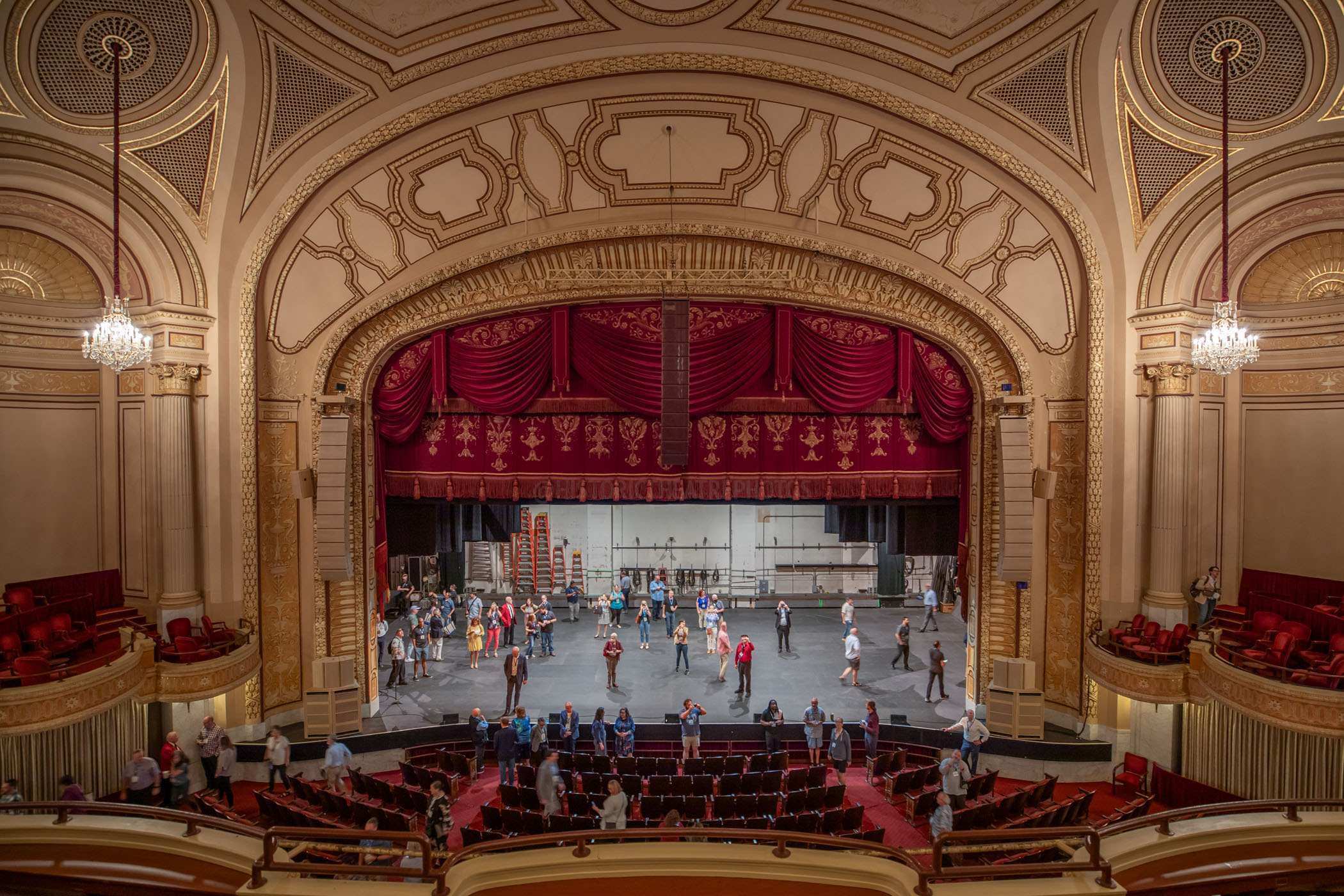
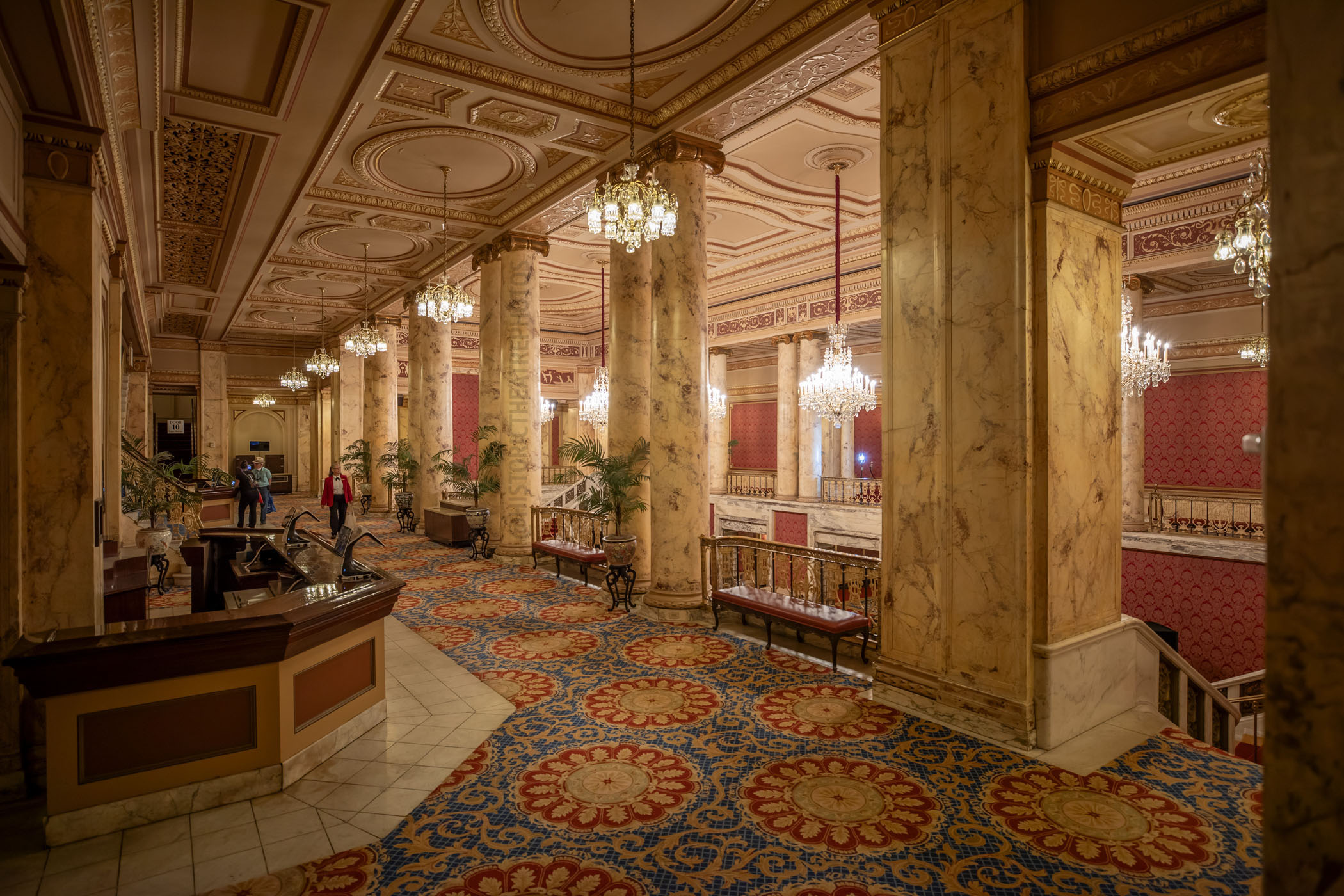
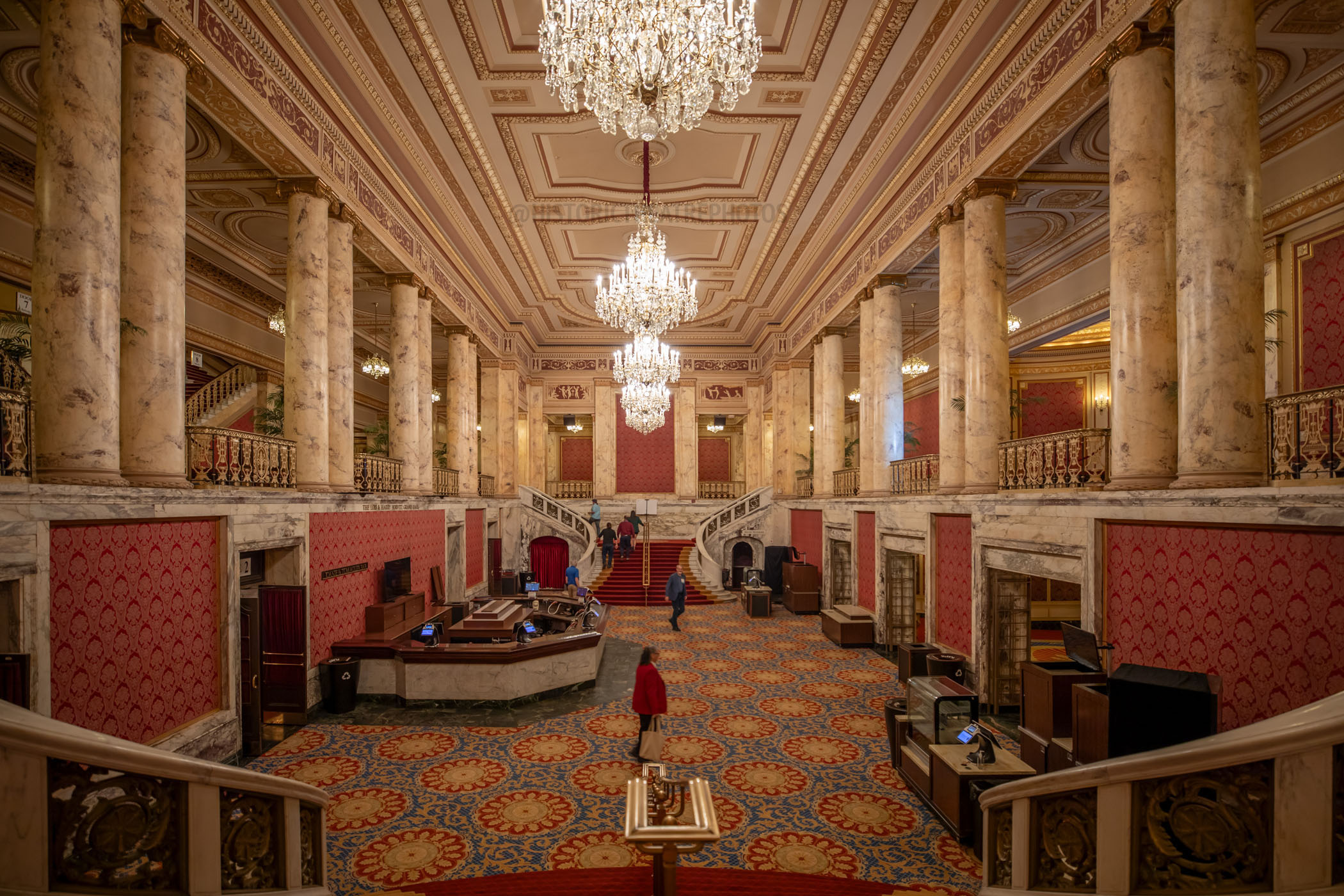
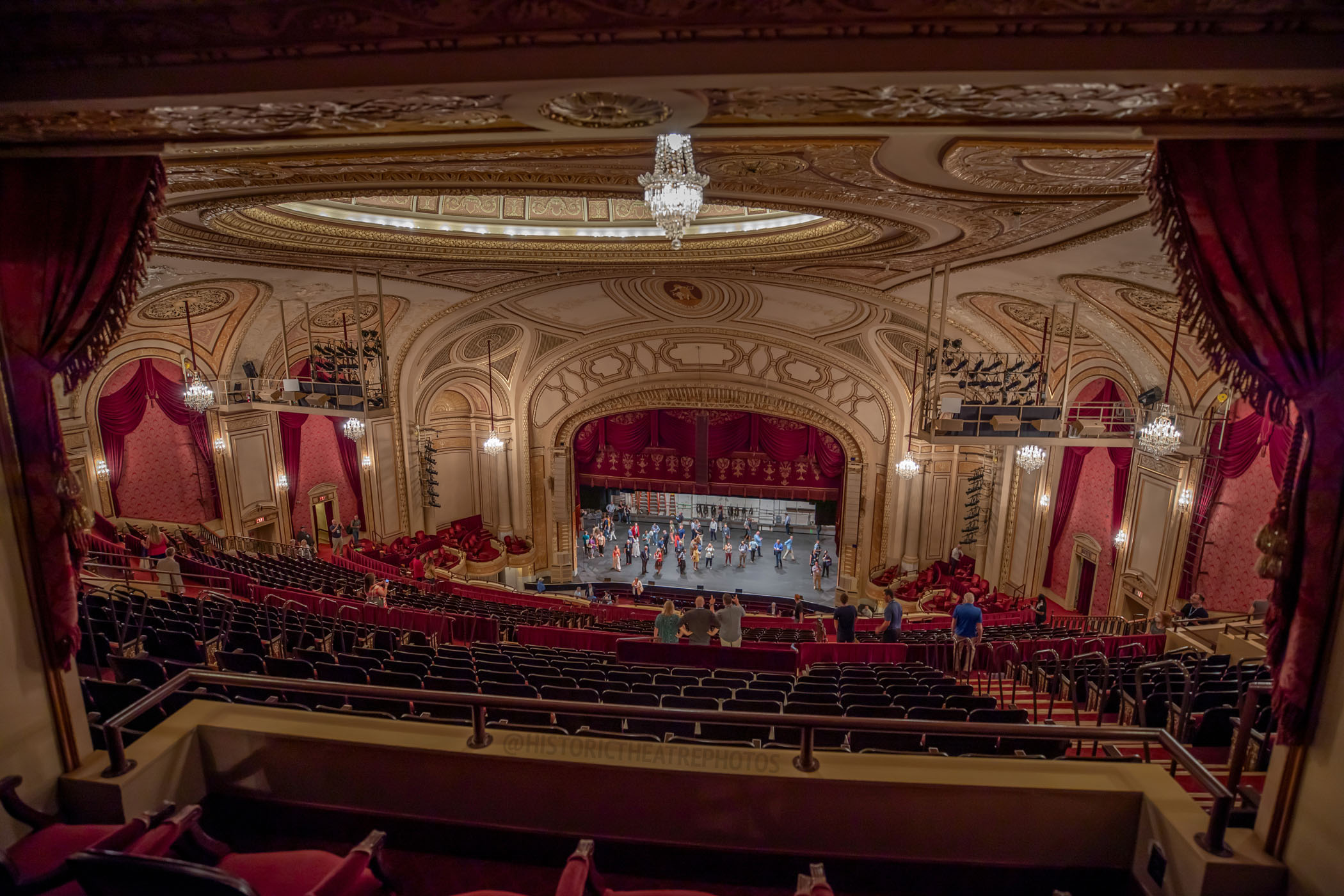
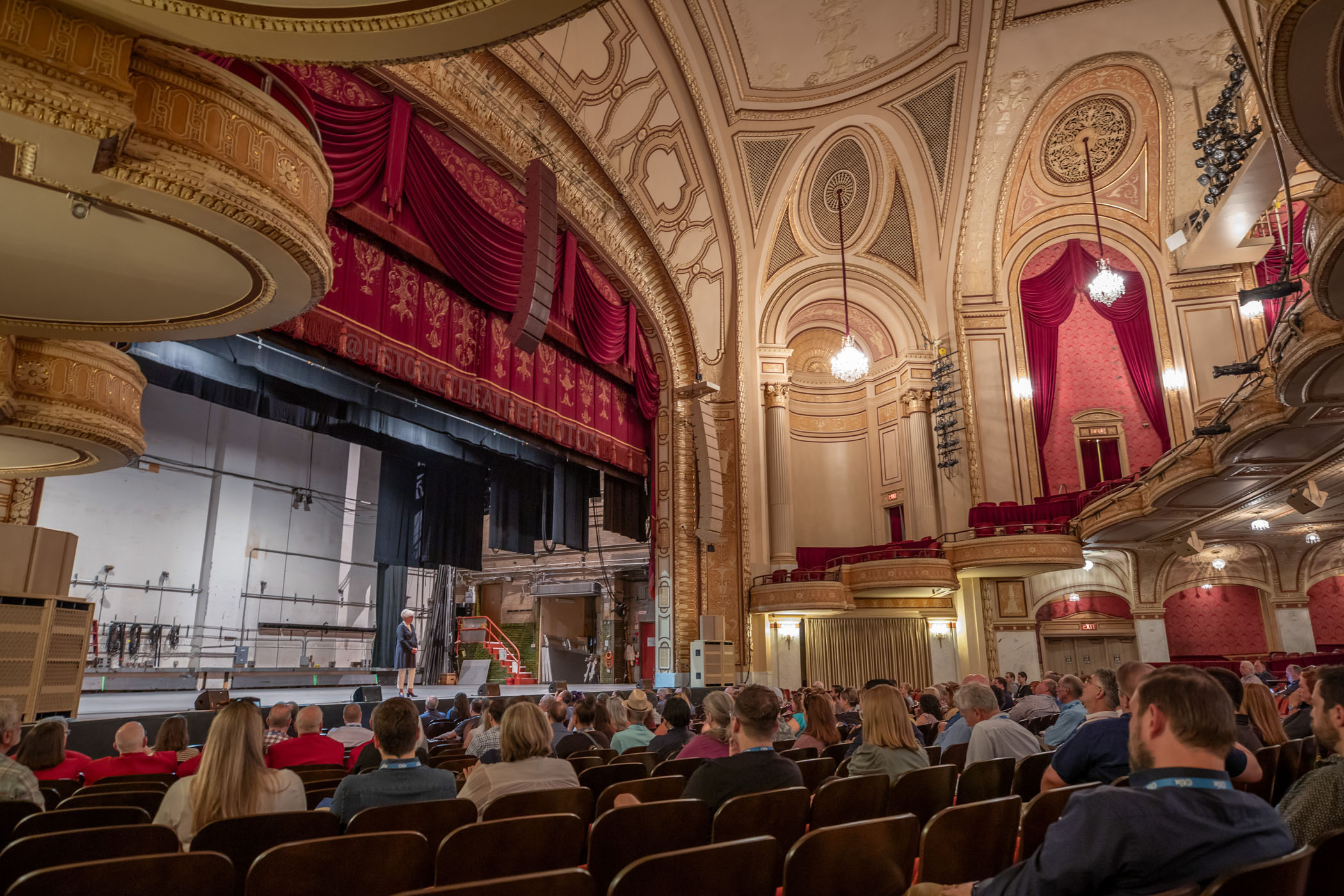
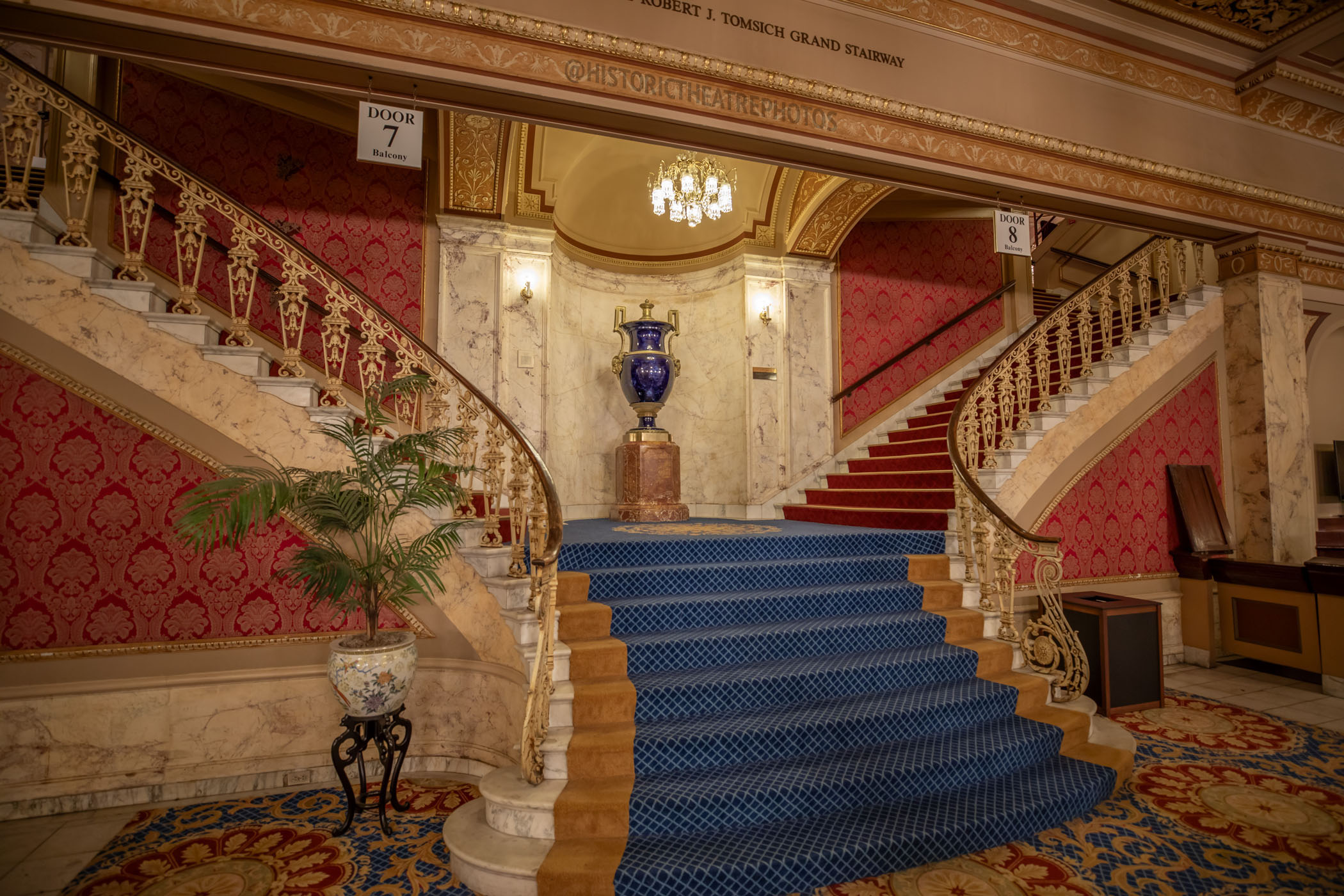
The Connor Palace first opened in late 1922 as a vaudeville and movie theatre for the Keith-Albee theatre chain. Originally seating between 2,500 to 3,000 (reports vary), the theatre was designed by noted Chicago-based architects Rapp and Rapp in a French Renaissance style. The theatre was renovated in the late 1980s.

 Detailed Information
The B.F. Keith Palace Theater was the last of the four main theatres in Cleveland’s downtown theatre district that had become known as Playhouse Square by Spring 1921, and cost an estimated $2 to 3.5 million. The theatre was built by vaudeville impresario Edward F. Albee, who had built the three other theatres in the area: the Allen Theatre, the Ohio Theatre, and the State Theatre. Albee founded the Keith-Albee Orpheum vaudeville chain and intended to make Playhouse Square the flagship of his company. He dedicated Palace Theatre to the memory of his lifelong friend and associate B.F. Keith.
At its opening the auditorium was described as being done out in ivory with grey tints and draperies in cerise. The theatre was equipped with a 3-manual, 15-rank Wurlitzer theatre organ. Some reports put the cost as $5.5 million (likely including the office building above) with the auditorium seating 3,450, and it was marketed as the “Most Magnificent Playhouse in the world”.
The Palace successfully showcased a variety of vaudeville, legitimate theatre, and movies for many years. The theatre ran its last movie – The Solid Gold Cadillac (1956) – on Sunday 28th October 1956 and then temporarily closed for conversion into a three-strip Cinerama movie theatre, reopening mid-November 1956 as the 20th Cinerama theatre in the United States with This is Cinerama (1952) .
The theatre closed 20th July 1969 with a screening of Krakatoa: East of Java (1968) and was subsequently boarded-up.
On 30th April 1988 the Palace Theatre’s doors were reopened to the public after a $34.5 million dollar renovation. It is now home to Broadway and touring shows in Cleveland.
This is a stub article; more information on the history of the theatre since the early 1970s will be added in due course..
 Listed/Landmark Building Status (5th October 1978)
 How do I visit the Connor Palace Theatre?
With five fully restored historic theatres (opened 1921-22), Playhouse Square is the largest theater restoration project in the world. Public tours run 90 minutes and involve stairs so comfortable shoes are suggested. If you or a member of your party is not able to access stairs, please inform the volunteer guides upon arrival and they will adjust the tour accordingly. Due to performances happening throughout Playhouse Square, all areas may not be available on each tour. Tours meet in the lobby of the KeyBank State Theatre.
Tours are free, but registration is required and space is limited per time slot. Please note that some Saturdays may be excluded due to heavy theatre or district activity, and alternate dates (such as Mondays) may be offered instead. For more information and the complete tour schedule go to the Playhouse Square Public Tours website . Private tours can be accommodated, see website for details.
 Further Reading on Wikipedia. on Cinema Treasures.Photos of the Connor Palace Theatre
Photographs copyright © 2002-2026 Mike Hume / Historic Theatre Photos unless otherwise noted.
Text copyright © 2017-2026 Mike Hume / Historic Theatre Photos.
For photograph licensing and/or re-use contact us here . See our Sharing Guidelines here .
| Follow Mike Hume’s Historic Theatre Photography: | |
|